Sahuarita Artificial Turf Pros
Desert-Adapted Turf Installs in Sahuarita, AZ
Desert-adapted artificial turf for Sahuarita, AZ yards: heat-resistant fibers, caliche-rated base depth, cool-touch infill. Free estimates.
- 15+ Years local experience
- 500+ Projects completed
- Licensed & Insured
Serving Sahuarita and nearby communities.
A standard turf install and a desert-adapted one aren't the same job once you factor in a Sahuarita summer. Surface temperatures on dark infill can climb well past what's comfortable barefoot, and the caliche layer under most Pima County yards resists water and compaction differently than regular dirt. Sahuarita Artificial Turf Pros builds the base and picks the fiber specifically for that combination, not a one-size-fits-all spec pulled from a cooler climate.
That means deeper, properly compacted base rock where caliche is present, heat-mitigating yarn choices, and infill that doesn't trap as much surface heat. The goal is a lawn that still feels reasonable to walk on in July and doesn't shift or pool water after a monsoon downpour.
What's included
What's included with Desert-Adapted Turf Installs
Typically included: site evaluation for caliche depth and sun exposure, heat-resistant turf fiber selection, reflective or cooling infill, compacted base engineered for desert soil, standard seaming and edging.
Optional: shaded-zone turf blend for patio-adjacent areas, extra infill depth for south-facing yards with no tree cover.
Customer prep: clear the yard of furniture, toys, and debris before the crew arrives; flag any known irrigation lines or buried utilities.
Want a clearer scope?
Get a Free EstimateHow it works
How our Desert-Adapted Turf Installs process works
 Step 1
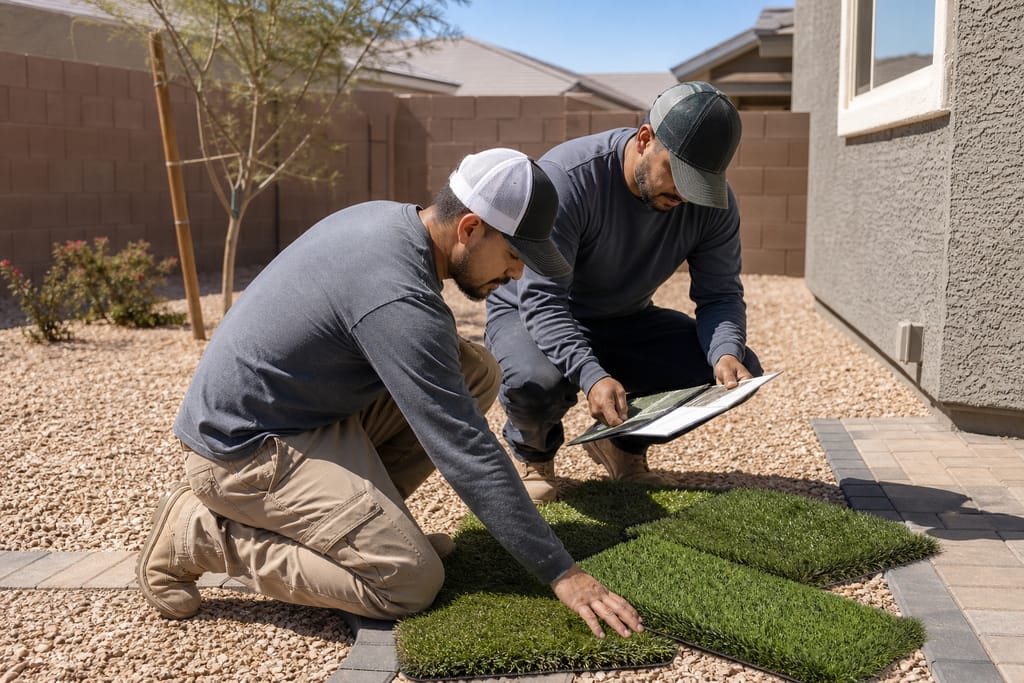
Heat tolerance planning
Turf fiber is picked based on how much direct sun the Sahuarita yard gets through summer afternoons.
 Step 2
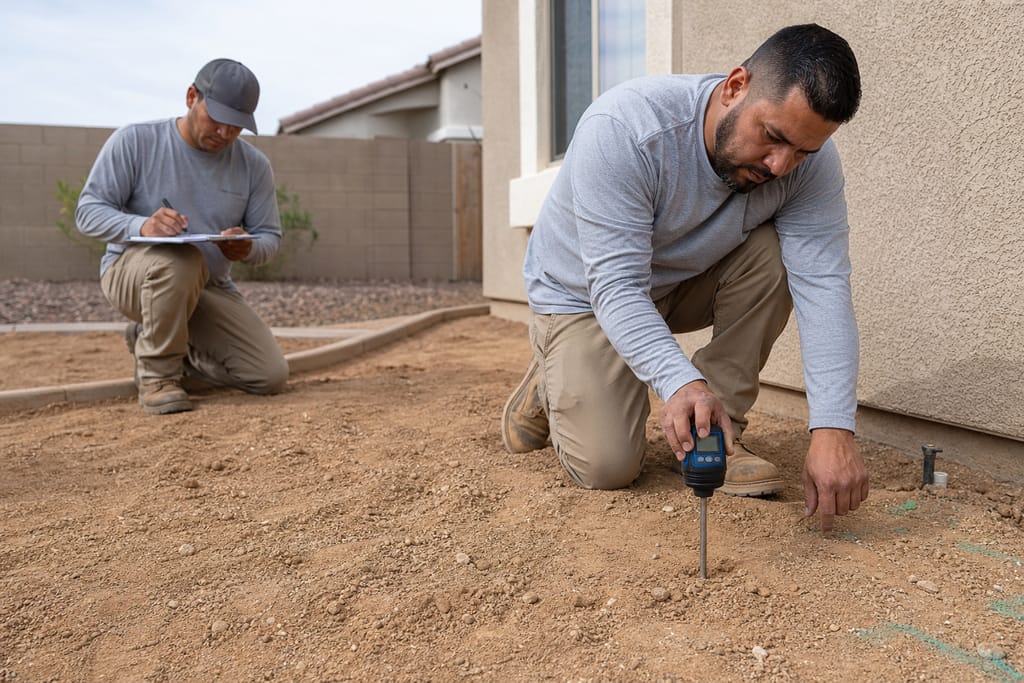
Soil moisture testing
Caliche-heavy spots get probed first since they hold water and resist compaction differently than open dirt.
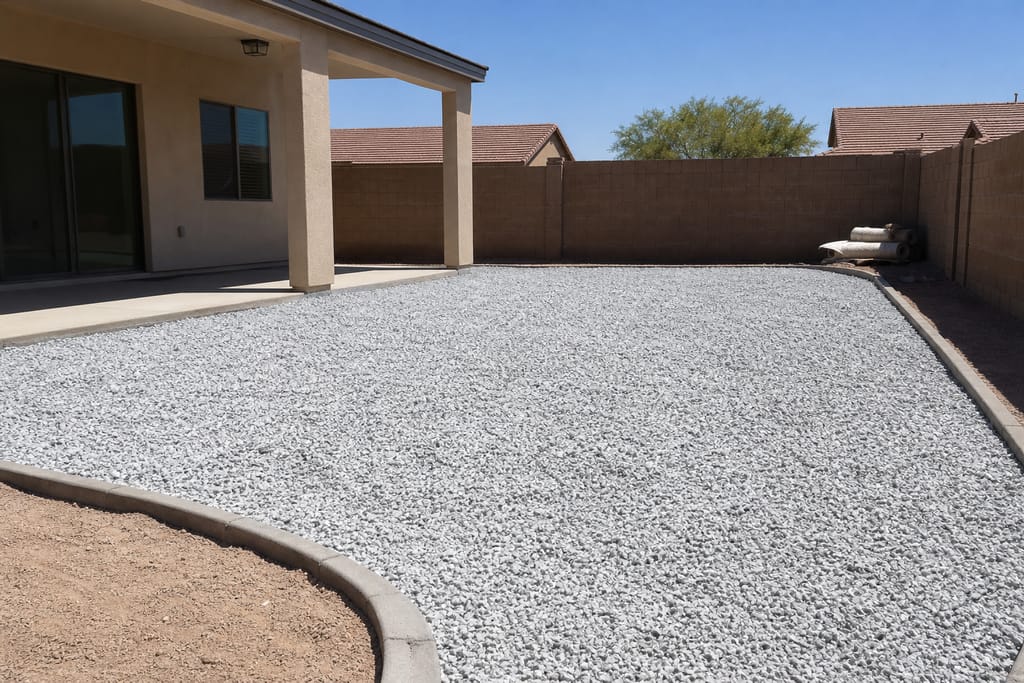 Step 3
Reflective base prep
Base material is chosen to limit how much heat builds up and radiates through the turf surface.
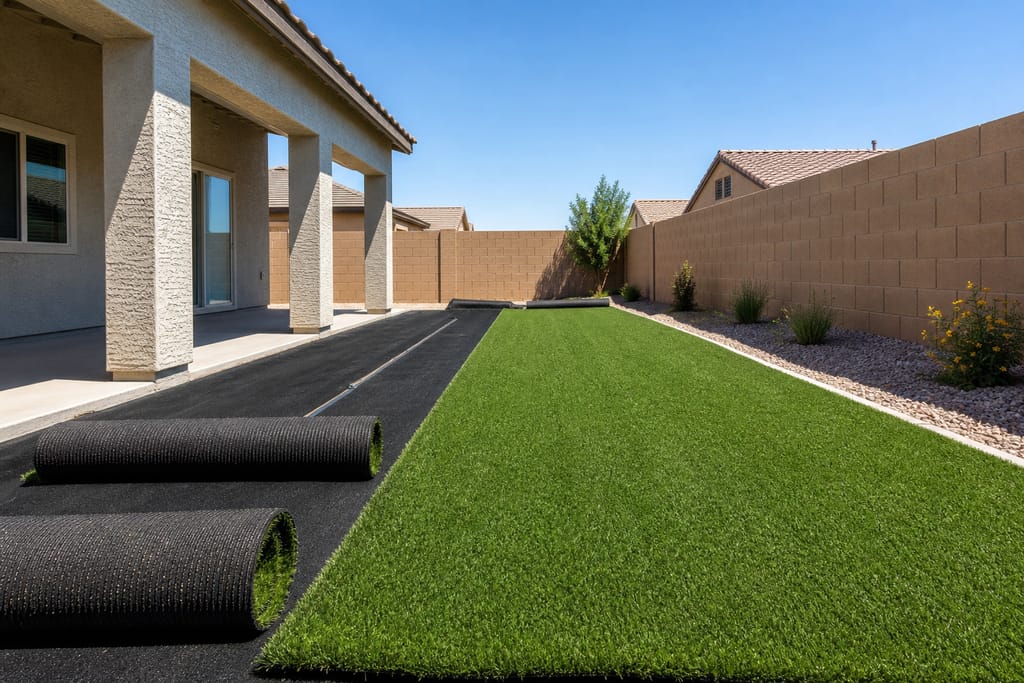 Step 4
Heat-resistant turf laying
Desert-rated fibers go down across the full yard, not just the sun-exposed sections.
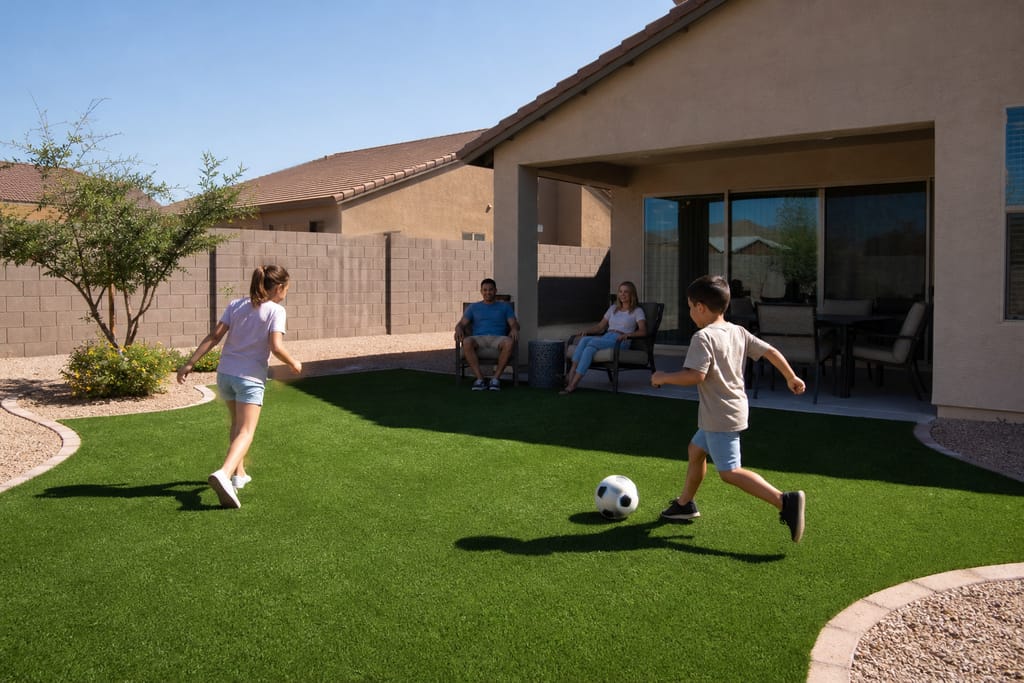 Step 5
Expansion gap allowance
Small gaps at seams give the turf room to expand without rippling once surface temps climb.
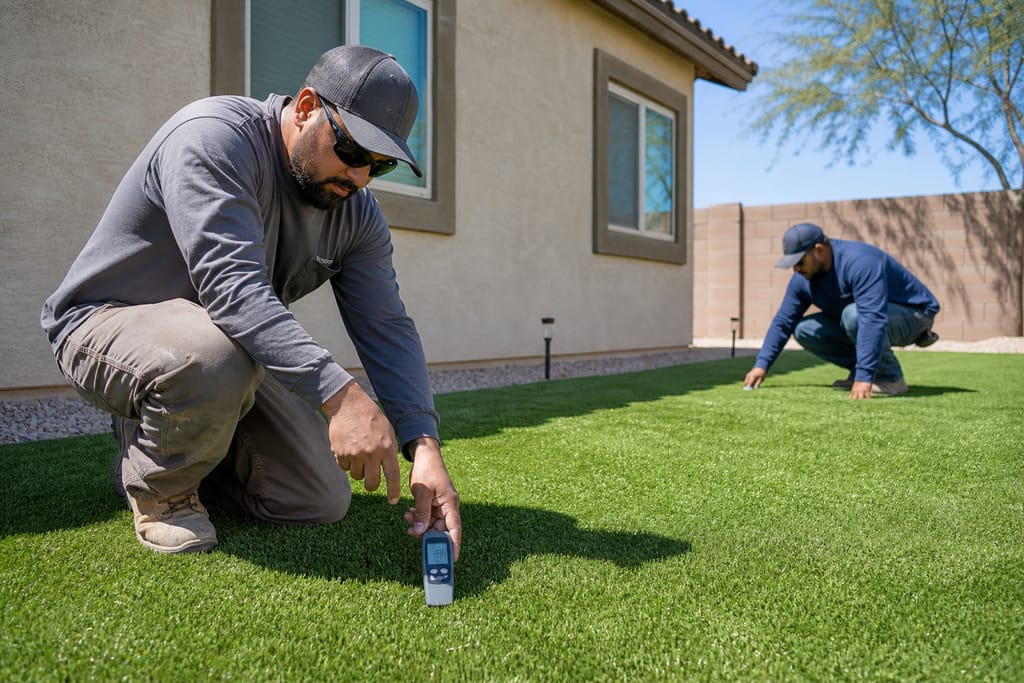 Step 6
Surface cooling check
We check surface temperature after installation on a hot afternoon before calling the job done.
Materials
Materials and methods for Desert-Adapted Turf Installs
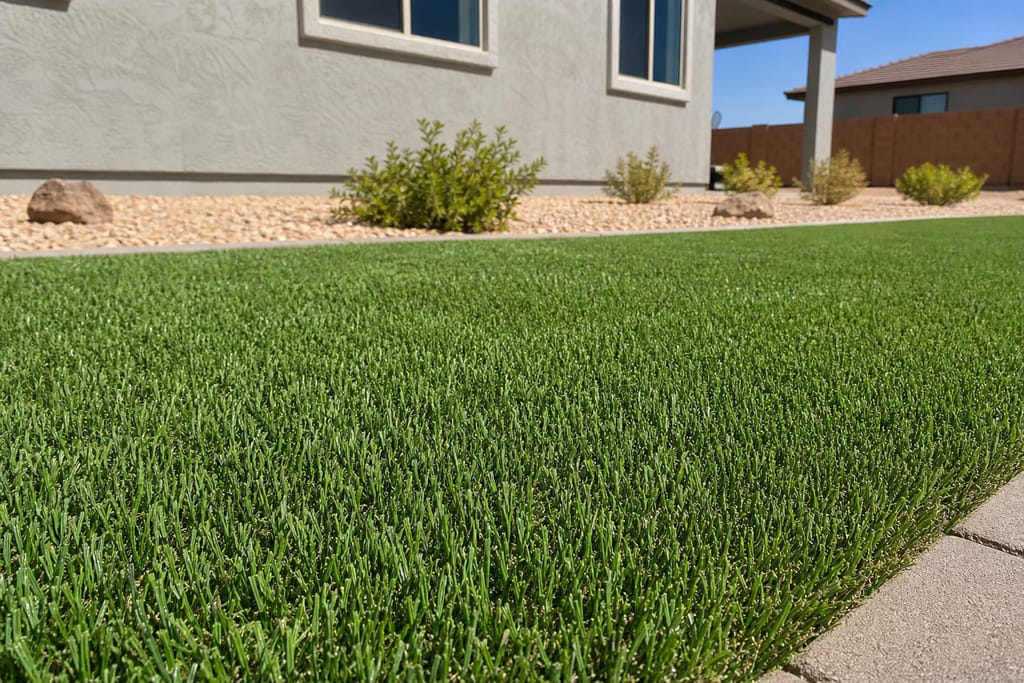
Heat-resistant turf fibers
Fiber blends chosen to resist fading and softening under the kind of direct exposure Sahuarita yards get most of the year.
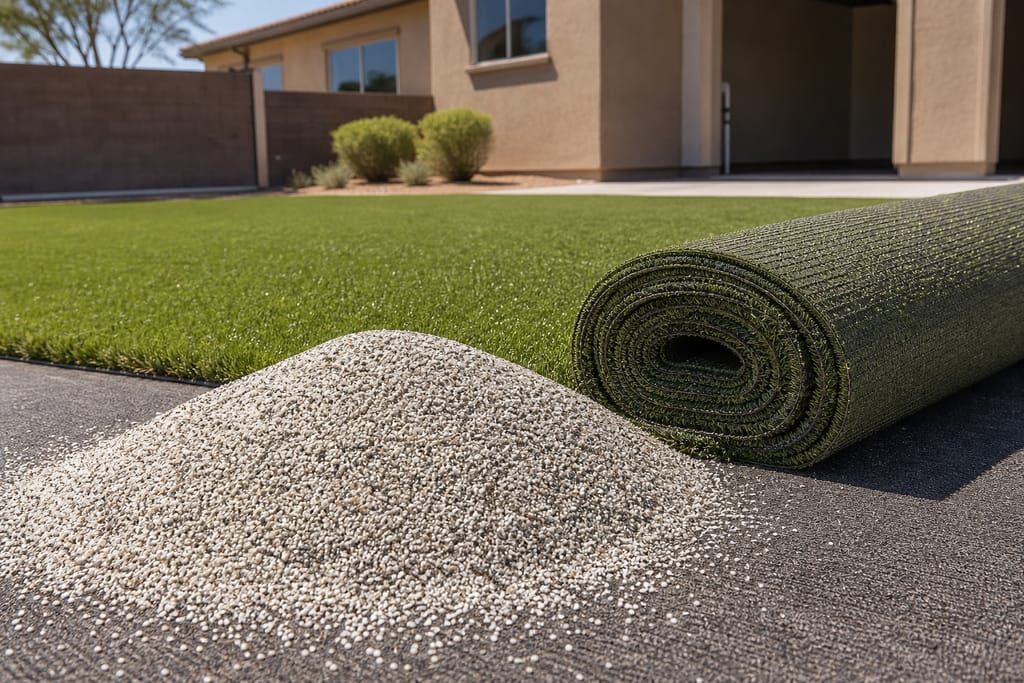
Reflective infill blend
Infill that reflects more heat than standard sand, which matters on yards with no shade from midday through late afternoon.
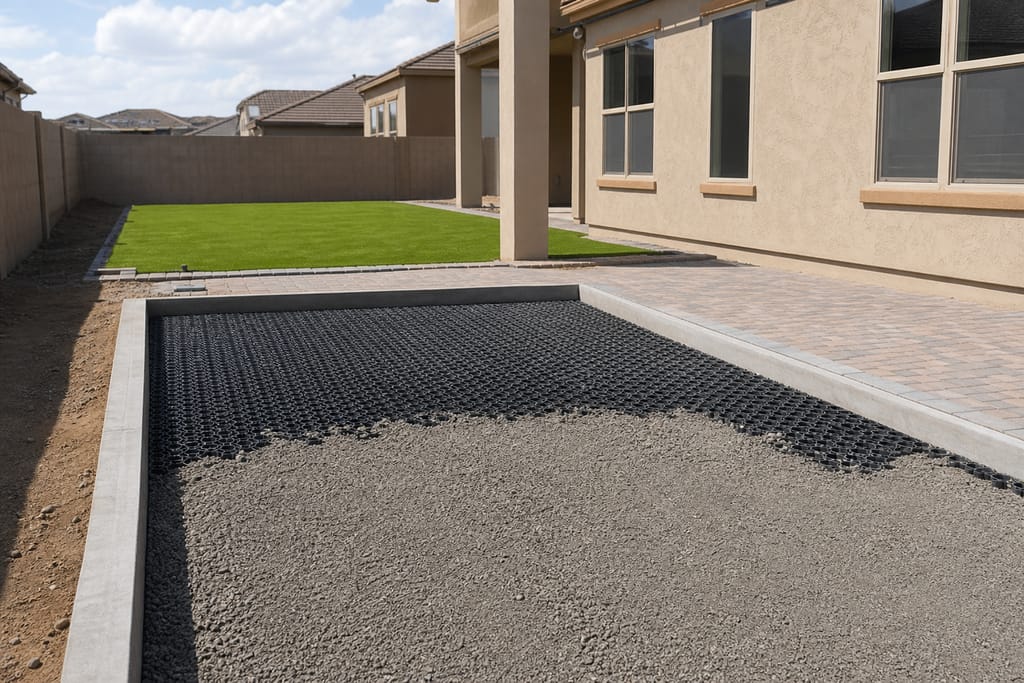
Drought-tolerant base layer
Base aggregate selected to stay stable under Pima County's caliche-heavy, low-moisture soil instead of shifting after it finally rains.
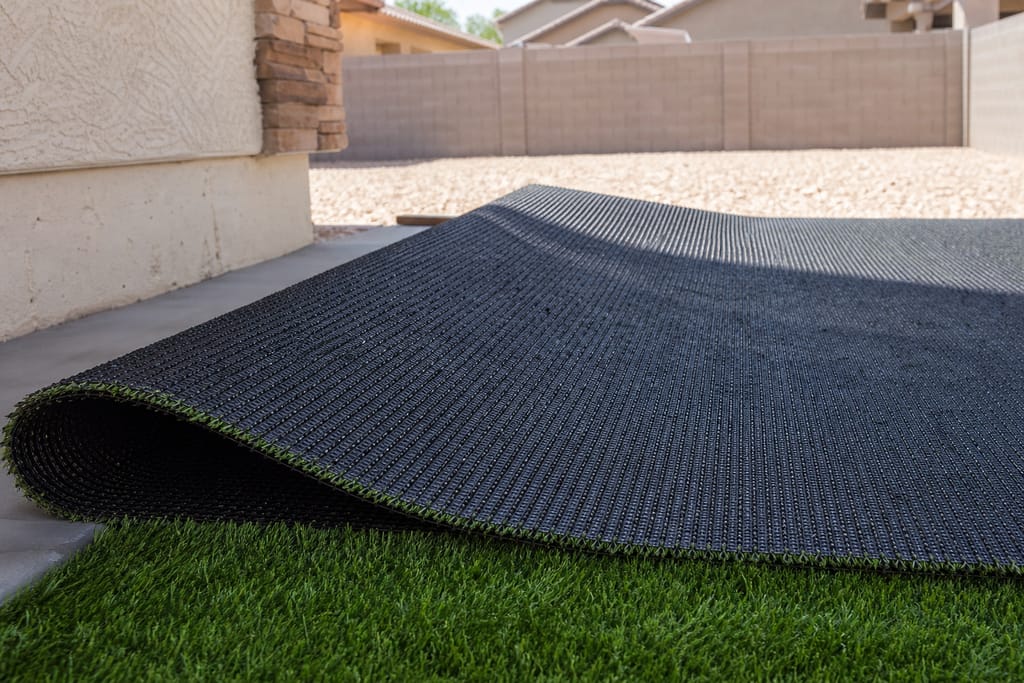
UV-protected backing
Backing treated to resist cracking after repeated summers of intense UV exposure.
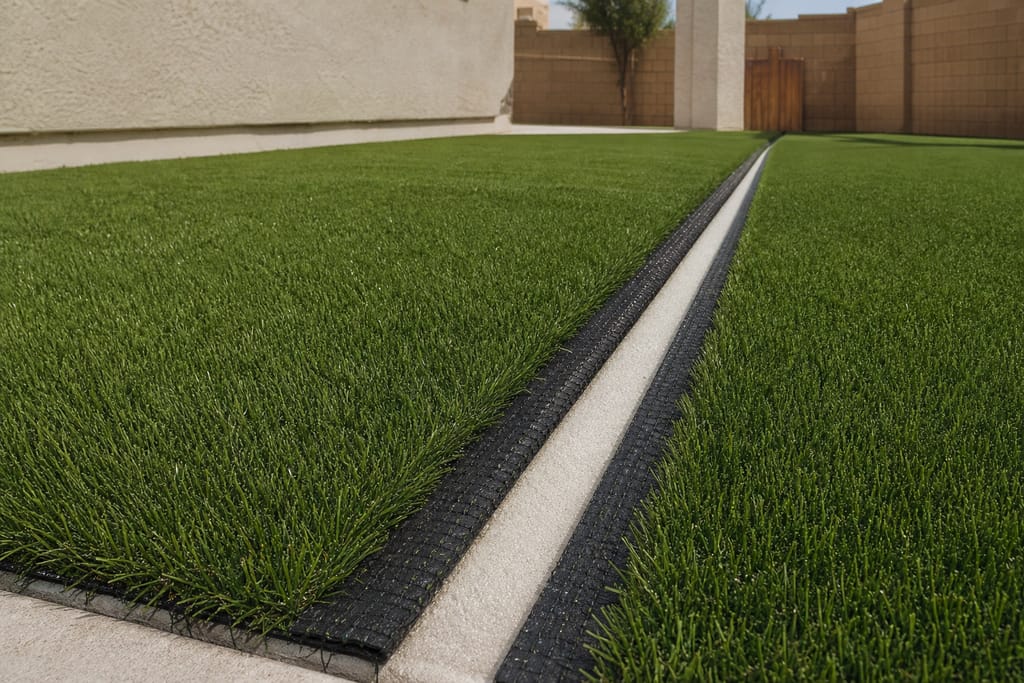
Thermal break seams
Seam spacing accounts for material expansion so panels don't buckle once the ground heats up.
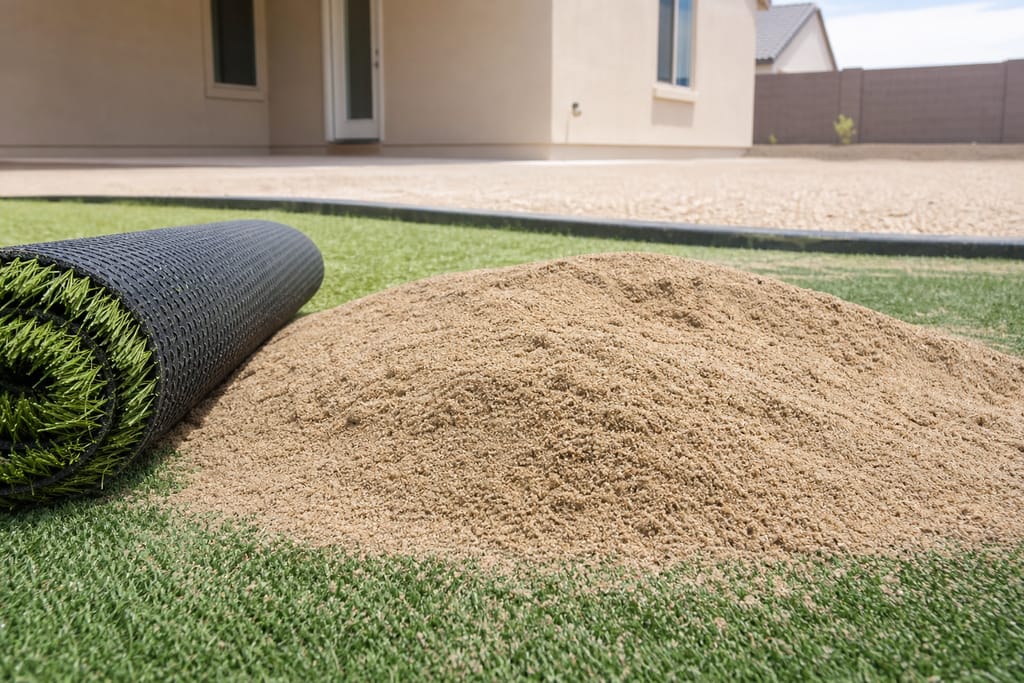
Sand-based filler
Infill that supports blade stand-up while letting some heat dissipate instead of holding it at the surface.
Questions on materials?
Get a Free EstimateTimeline
How long does a Desert-Adapted Turf Installs take?
Most desert-adapted jobs run a bit longer than a standard install because the base work gets more attention. Here's the typical breakdown.
- 01
Consult and site evaluation
same day - 02
Caliche soil testing and base plan
1 day - 03
Base compaction
1–2 days - 04
Turf laying and seaming
1 day - 05
Infill and final check
same day
Need a schedule that fits?
Get a Free EstimateFAQs
Desert-Adapted Turf Installs FAQs
Does artificial turf actually get too hot to walk on in Sahuarita?
Standard turf can get uncomfortably hot on bare feet in direct July sun. Desert-adapted installs use cooler-running fiber and reflective infill to bring that surface temperature down, though no synthetic surface stays cool in full sun at 2pm.
Why does caliche soil matter for turf installation?
Caliche is a dense, mineral-hardened soil layer common across Pima County. It doesn't compact or drain like regular dirt, so the base needs extra depth and compaction passes or the turf can settle unevenly over time.
Is desert-adapted turf more expensive than standard turf?
It typically costs somewhat more per square foot because of the added base depth and specialty fiber or infill. The payoff is less shifting, less heat retention, and a longer-lasting surface.
How do you prevent turf from rippling in extreme heat?
Expansion gaps built into the seams give the material room to move as it heats and cools, which is the main defense against rippling or buckling.
Can I request desert-adapted turf for just part of my yard?
Yes. Many homeowners put heat-resistant turf on sun-exposed sections and standard turf closer to shaded patio areas.
Next step
Get a Desert-Adapted Turf Installs estimate in Sahuarita
Call Sahuarita Artificial Turf Pros at +1 (928) 264-9275 or request a free estimate to get base depth and fiber recommendations specific to your yard's sun exposure.
Before & after
Before and after Desert-Adapted Turf Installs
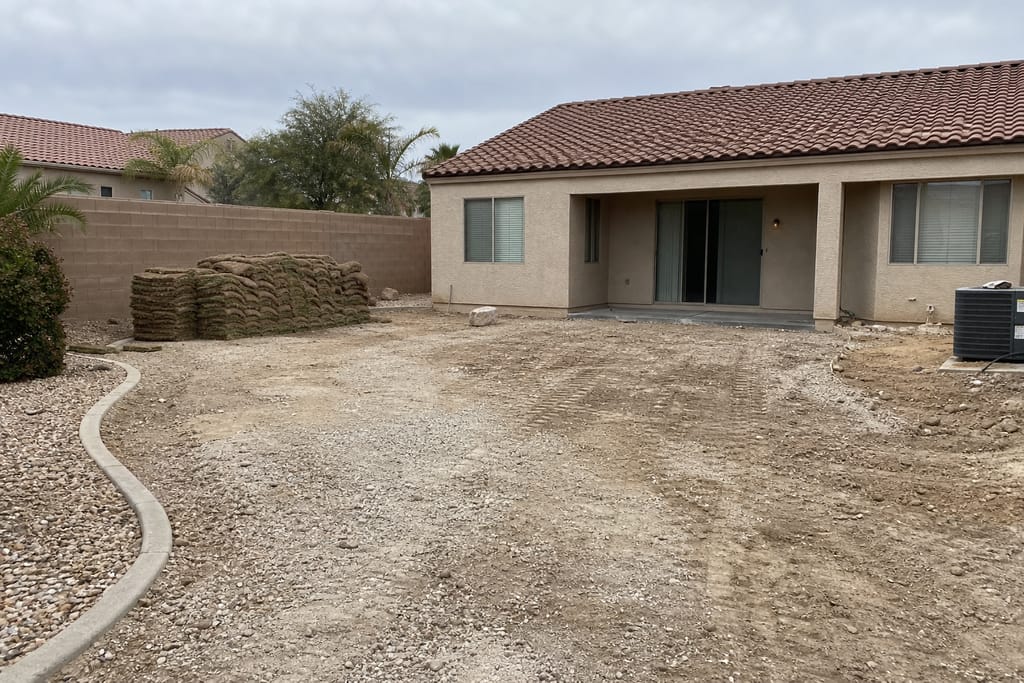
Before 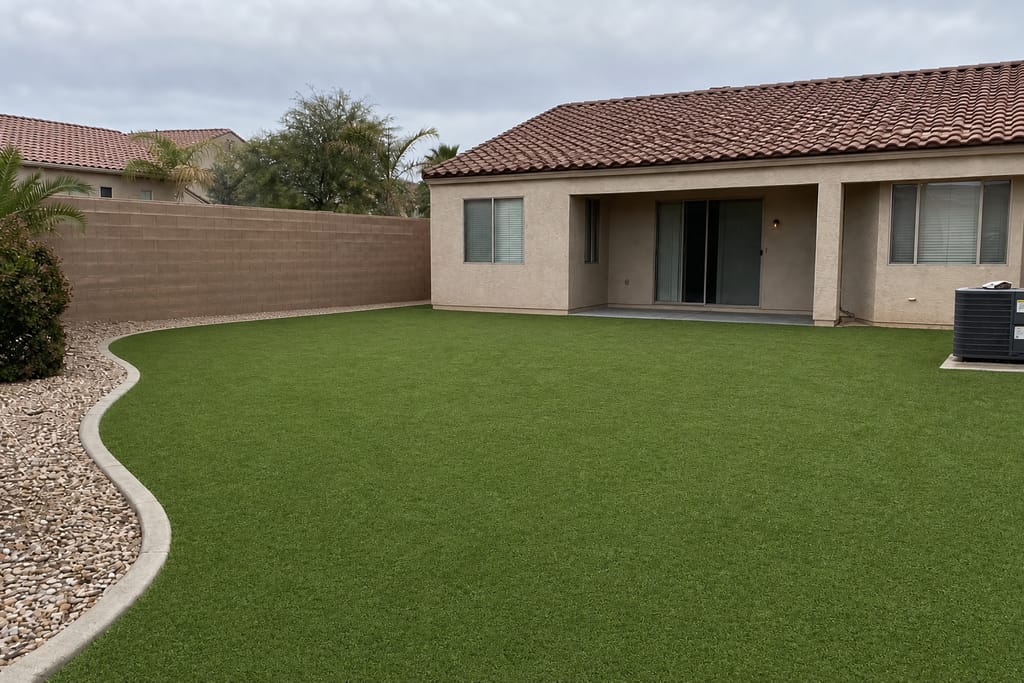
After
More services
Other Artificial Turf services
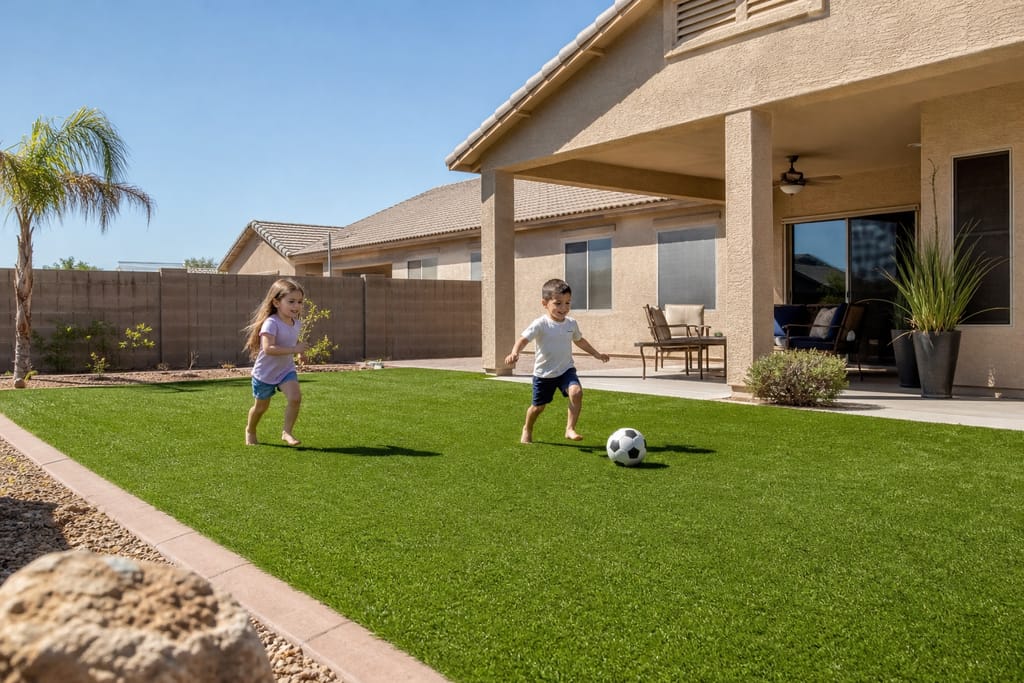
Artificial Turf Installation
Artificial turf installation in Sahuarita with caliche-rated base prep, cool-touch yarn, and free estimates for backyards and bare lots.
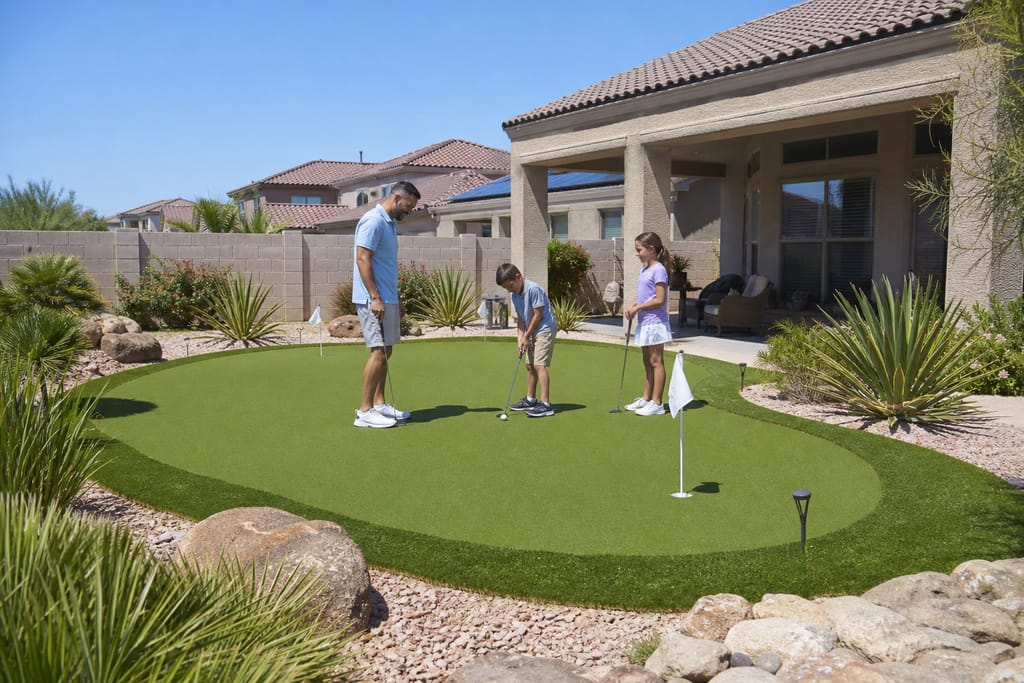
Putting Green Installation
Backyard putting green installation with contoured bases, true-roll turf, and realistic cup placement. Free estimates.
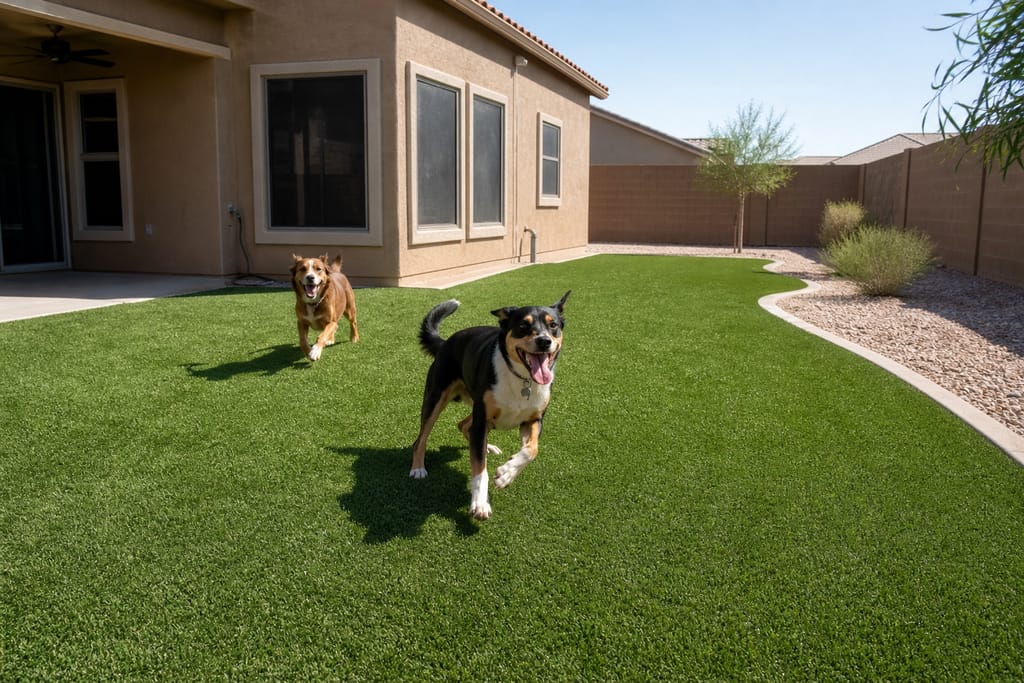
Pet Turf Installation
Pet turf installation with drainage backing and odor-control infill built for desert heat and dogs. Free estimates.
Ask about Desert-Adapted Turf Installs
Tell us about the project and how to reach you.